


 Click for original picture

 Legal status confirmed
Brand:aa
Product detail:
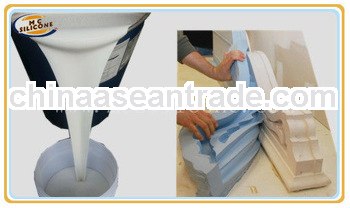
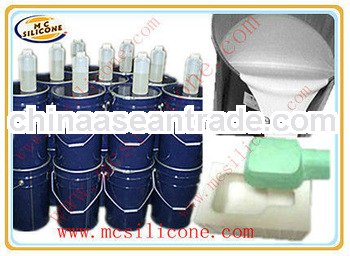
Description of RTV2 Silicone for Plaster Ornaments Moulding
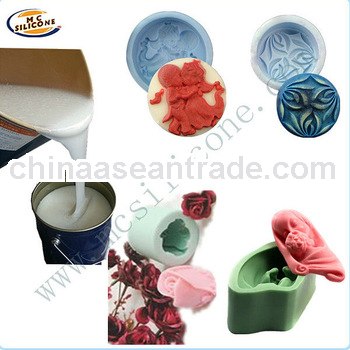
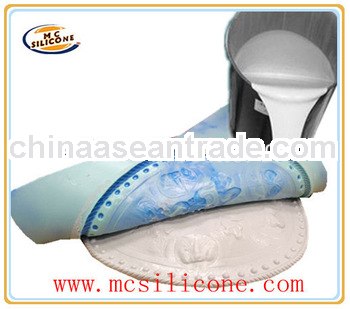
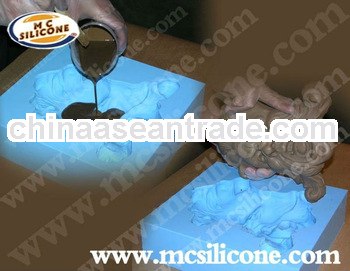
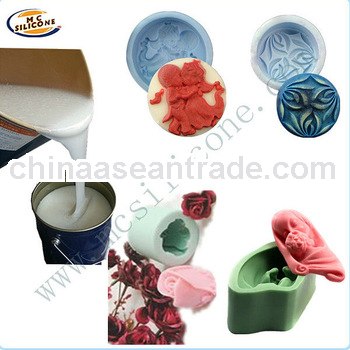
RTV2 Silicone for Plaster Ornaments is generally named as two-part room temperature sulfurated silicone rubber, which features an exceptional fluidity and good operability. When mixed with 2-3% curing agent, they can still be operated within 30 minutes, but will be formed after 2-3 hours. With resistance to deformation, high temperature, acid and alkali, and expansion, silicon flexible molds are used for mold duplication and delicate mold making for poli crafts, resin crafts lighting and candle crafts.
Applications of RTV2 Silicone for Plaster Ornaments Moulding
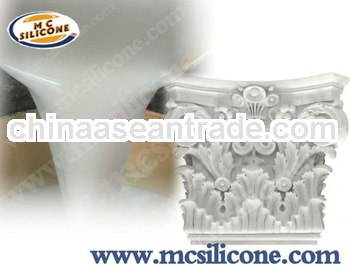
RTV2 Silicone for Plaster Ornaments is intended for Cultural relic duplication, architectural decoration, statues.
RTV2 Silicone for Plaster Ornaments is application for PU foam, Polyester Resin crafts.
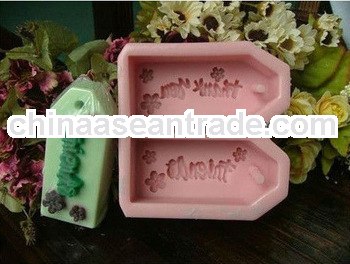
RTV2 Silicone for Plaster Ornaments is used for Lighting ornaments, soap, candles molding.
RTV2 Silicone for Plaster Ornaments is application for Plaster, Gypsum, Cement, Concrete decorations.
RTV2 Silicone for Plaster Ornaments is Model design, product exploitation, etc.
Properties of RTV2 silicone for Plaster Ornaments Moulding
P Item NO. | Characteristics before curing | Curing | ||||||
Part A | Part B | Part A+ Part B | Pot life at 250C mins | De-molding Time at 250C hours | ||||
Appearance | Appearance | Ratio | Viscosity | |||||
RTV2028 | white | Liquid clear | 100:2 | 30000 cps | 30 | 4-6 | ||
Characteristics after curing 24 hours | ||||||||
Hardness Shore A | Tear strength (N/mm) | Tensile Strength(Mpa) | Elongation break (%) | Linear Shrinkage | ||||
28 | 30 | 4.5 | 511 | ≤0.3% | ||||
Silicone Mold-making Procedures:
1. Clean and prepare specimen (apply consolidant, sealant, or release agent if necessary).
2. Build retaining wall around specimen.
3. Stir silicone base to loosen any settled material.
4. Decant desired amount of silicone into mixing container.
5. Mix in appropriate amount of catalyst.
6. Apply to specimen.
7. If reinforced mold is desired, gently press in gauze after pouring fist layer.
8. When cured, gently remove mold from specimen.
9. If needed, create rigid backing or jacket over mold with plastic,
urethane foam, or plaster.
10. Remove backing material and mold. Store mold inside rigid backing.
Should you have any question, please feel free to contact Ms Julie.
Skype: julieszmc
MSN: julieszmc(at)hotmail(dot)com
MINGCHENG GROUP LIMITED