


 Click to enlarge
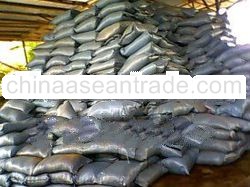
Pack on PP bag.
Coco peat (cocopeat), also known as coir pith, coir fibre pith, coir dust, or simply coir, is made from coconut husks, which are byproducts of other industries that use coconuts. Coir waste from coir fiber industries is washed, heat-treated, screened and graded before being processed into coco peat products of various granularity and denseness, which are then used for horticultural and agricultural applications and as industrial absorbent.
By going green, coconut peat also can be used as heating sources.
Uses:
Botanical
Coco peat is used as a soil additive. Due to low levels of nutrients in its composition, coco peat is usually not the sole component in the medium used to grow plants. When plants are grown exclusively in coco peat, it is important to add nutrients according to the specific plants' needs. Coco peat from Indonesia contains several macro- and micro-plant nutrients, including substantial quantities of potassium. This extra potassium can interfere with magnesium availability. Adding extra Magnesium through the addition of Epsom salts can correct this issue.
Coco peat is not fully decomposed when it arrives and will use up available nitrogen as it does so (known as drawdown), competing with the plant if there is not enough. Poorly sourced coco peat can have excess salts in it and needs washing (check electrical conductivity of run-off water, flush if high). It has a similar cation exchange capacity to sphagnum peat, holds water well, re-wets well from dry and holds around 1000 times more air than soil. Adding slow release fertilizers or organic fertilizers are highly advised when growing with coco peat.
Common uses of coco peat include:
- As a substitute for peat, because it is free of bacteria and most fungal spores, and is sustainably produced without the environmental damage caused by peat mining.
- Mixed with sand, compost and fertilizer to make good quality potting soil. Coco peat generally has an acidity in the range of pH - 5.5 to 6.5. It is a little on the acidic side for some plants, but many popular plants can tolerate this pH range.
- As substrate for growing mushrooms, which thrive on the cellulose. Coco peat has high cellulose and lignin content.
Coco peat can be re-used up to three times with little loss of yield. Coco peat from diseased plants should not be re-used.
Benefit:
* potting mixes
* Excellent Air Porosity
* Excellent Water Retention
* Irrigation Efficiency
* Faster Germination Times & Quicker Seedling Rotations
* Degrades SlowerThan Other Peats